Pakko logo
Get a quick quote
Recyclable cardboard · Made in Queensland

Sustainable Packaging, Made in Australia: Eco Friendly Packaging

At Pakko, we manufacture custom cardboard packaging in Virginia, Queensland, helping Australian businesses move toward more recyclable, responsible and right-sized packaging.

ISO 9001:2015 certified Australian Made licensed ASPIRE and APCO member
Sustainable packaging examples
Fibre-based, recyclable cardboardRight-sized custom boxesEvidence-based claimsLocal QLD manufacturing
No greenwashing

What sustainable packaging means at Pakko

Sustainability is not just using cardboard or saying eco-friendly. For us it means responsible sourcing, efficient design, clear disposal communication, and being transparent about what we can and cannot claim.

01

Responsible material sourcing

Fibre-based board sourced through documented, responsible supply channels, backed by supplier specifications.

02

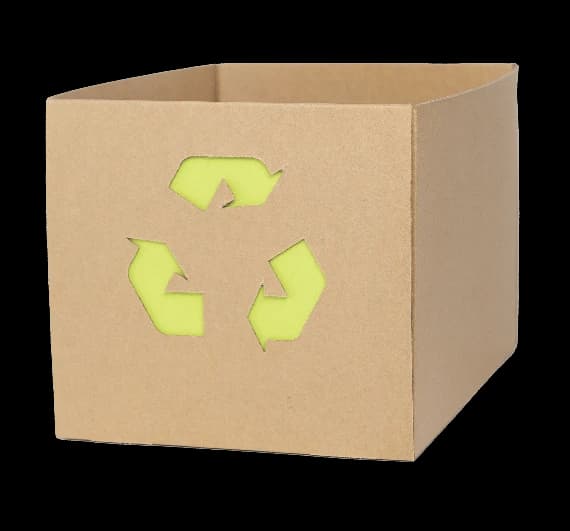
Recyclable cardboard packaging

Cardboard and fibre-based packaging designed to be recyclable in standard kerbside systems where the materials and finishes allow.

03

Right-sized to reduce void fill

Custom dimensions that reduce excess material, void fill, oversized cartons and unnecessary freight volume.

04

Efficient manufacturing

Production processes managed under our ISO 9001:2015 system, with a focus on reducing avoidable offcut waste.

05

Clear recycling and disposal

Helping brands think through clear, honest on-pack disposal messaging for their artwork.

06

Fit-for-purpose, not over-engineered

Packaging matched to the product's real protection needs, avoiding unnecessary materials and complexity.

!

We avoid broad claims. Environmental claims should be accurate, truthful, backed by evidence and not hide important information. We describe specific materials, processes and conditions instead of relying on vague phrases.

Verified standards

Our certifications, memberships and verified standards

Sustainability also means better systems, recognised frameworks and transparent proof. These credentials support how Pakko manufactures, sources, manages quality and contributes to better packaging outcomes in Australia.

ISO

ISO 9001:2015 quality management

Certificate No. 7324-2550-01

Pakko operates under an ISO 9001:2015 Quality Management System. For customers, this supports consistent manufacturing processes, documented quality controls, repeatable production standards and continual improvement.

  • Consistent manufacturing processes
  • Documented quality controls
  • Repeatable production standards
  • Continual improvement across operations
ISO 9001:2015 Certified
AM

Australian Made licensed products

Licensed by Australian Made Campaign Limited

Pakko is licensed to use the Australian Made, Australian Grown logo on approved Pakko packaging products, in accordance with the AMAG Logo Code of Practice.

  • Approved Pakko packaging products
  • Public Australian Made profile
  • Cardboard packaging manufacturer listing
  • Licence applies to listed products
Australian Made Licensed Products
AS

Certified ASPIRE member

Supporting circular economy and resource recovery

ASPIRE supports circular economy outcomes by helping businesses identify reuse, recycling and resource exchange opportunities for material streams.

  • Opportunities to reduce waste
  • Reuse and resource exchange awareness
  • Recyclable and reusable material streams
  • Better outcomes for offcuts and by-products
Certified ASPIRE Member
AP

Member of APCO

Australian Packaging Covenant Organisation

APCO membership connects Pakko to Australia's packaging covenant framework, sustainable packaging guidance and national packaging reform direction.

  • Alignment with APCO guidance
  • Design for reuse, recycling and recovery
  • Awareness of national packaging reform
  • Evidence-based sustainable packaging claims
APCO Member
Certification / membershipPakko statusCertificate / licence detailVerification
ISO 9001:2015 CertifiedCertificate No. 7324-2550-01Certificate on request
Australian Made LicensedLicensed by Australian Made Campaign LimitedView Pakko profile
ASPIRE Certified MemberCertified ASPIRE MemberMember proof on request
APCO MemberAustralian Packaging Covenant Organisation memberAPCO member evidence
Australia's framework

Australia's National Packaging Targets

APCO says these targets apply to all packaging made, used and sold in Australia. They remain Australia's core accountability benchmark beyond 2025.

100%

Reusable, recyclable or compostable

All packaging designed for recovery.

70%

Plastic packaging recycled or composted

Higher recovery of plastic packaging.

50%

Average recycled content

More recycled material in packaging.

Phase-out

Problematic single-use plastics

Removing unnecessary single-use plastic.

Current progress

Current progress beyond 2025

APCO's latest beyond-2025 data shows national progress against each target, while noting Australia is still not meeting the targets on the current trajectory without reform.

86%

Reusable, recyclable or compostable packaging

20%

Plastic packaging recycled or composted

44%

Average post-consumer recycled content

46%

Reduction in priority problematic single-use plastic items

Where we make a difference

How Pakko supports better packaging outcomes

Our model is built around practical choices that make packaging more sustainable in the real world: recyclable materials, right-sized design, sensible order quantities and local manufacturing.

01

Recyclable cardboard packaging

Corrugated cardboard mailer boxes, shipping cartons, retail boxes, product packaging and ecommerce packaging: fibre-based formats designed around recovery where the materials and finishes allow.

02

Custom sizing to reduce waste

Because we make custom boxes, we can size to the product. Right-sizing helps reduce excess material, void fill, oversized cartons and freight inefficiency.

Honest and specific

Materials, printing and finishes

The most trustworthy thing we can do is be specific about what is used, and where recyclability depends on the choices made for a project.

01

Cardboard and paper-based materials

We work primarily in fibre-based materials: corrugated cardboard, kraft board and white board. FSC-certified and recycled-content options are available where documented for your specification.

02

Printing options

Digital and short-run printing for custom artwork, plus standard process printing for larger runs. Ink and print methods are described accurately per project.

03

Finishes and recyclability

Some coatings, laminates, foils, windows or plastic linings can affect whether packaging is accepted in kerbside recycling. We flag these trade-offs clearly.

Guided by APCO

Designing packaging for recovery

APCO's Sustainable Packaging Guidelines help organisations integrate sustainable packaging principles into operations and apply them to new packaging.

01

Design for recycling

Use fibre-based materials where appropriate, avoid unnecessary mixed materials, reduce difficult-to-separate components and select finishes based on recovery outcomes.

02

Design for right-sizing

Less empty space means less void fill and better transport efficiency. A box built to fit the product reduces material per unit.

03

Design for customer disposal

Packaging is easier to recover when customers know what to do with it. Clear on-pack disposal guidance helps components reach the right bin.

Clearer disposal

Recycling labels and disposal instructions

Recyclable packaging component label

Recycle

Used for packaging components that can go into the recycling stream when clean, empty and separated as instructed.

Check locally packaging component label

Check locally

Used where recovery depends on the material, finish, component format or local council recycling system.

Conditionally recyclable packaging component label

Conditionally recyclable

Used when a component needs an action first, such as separating, emptying or following a specific disposal instruction.

Not recyclable packaging component label

Not recyclable

Used for components that should not go into recycling because they cannot be recovered through the intended system.

The Australasian Recycling Label helps customers understand which packaging components go in recycling and which go in rubbish.

Recycling outcomes can vary depending on material, finish, component and local recycling system. We focus on accurate, component-level guidance rather than blanket claims.

Buyer's checklist

What to consider before choosing sustainable packaging

Six honest questions worth asking any supplier before you commit. Environmental claims should be backed by evidence and never vague or misleading.

1

Is the packaging recyclable in Australia?

Check whether it is accepted in standard kerbside systems, and whether any component needs separating first.

2

Does the packaging use unnecessary plastic?

Windows, linings and laminates add plastic. Ask whether a fibre-based alternative would do the job.

3

Can the box be made smaller or lighter?

Right-sizing reduces material and freight. A custom box often beats an oversized stock carton.

4

Does the design protect the product properly?

Under-packaging causes damage and returns, which is its own kind of waste. Fit-for-purpose matters.

5

Will customers know how to dispose of it?

Clear on-pack guidance improves real-world recovery rates.

6

Is the sustainability claim backed by evidence?

Ask for certificates, specifications or data. Specific, provable claims beat vague eco language.

Where we stand

Pakko's sustainability commitments

Practical, current and evidence-led: what we are focused on, and the proof we can stand behind.

Our current focus

  • Increase use of responsible cardboard and paper-based packaging
  • Help customers choose recyclable, fit-for-purpose box designs
  • Reduce avoidable manufacturing waste
  • Improve packaging education for customers
  • Keep claims specific, evidence-based and transparent
  • Continue aligning with APCO guidance and packaging reform

Our evidence

  • FSC certificate where applicable to your specification
  • ISO 9001:2015 certificate No. 7324-2550-01
  • APCO membership evidence
  • Supplier board specifications
  • Recycling and waste records where relevant
  • Material, ink and finish data sheets
By product type

Sustainable packaging by product type

Explore recyclable, right-sized options across popular formats. Each one is a fibre-based, custom-friendly starting point.

Sustainable Mailer Boxes

Sustainable Mailer Boxes

Fibre-based ecommerce mailers, right-sized for a better unboxing and easier kerbside recycling.

Explore →
Recyclable Shipping Cartons

Recyclable Shipping Cartons

Corrugated cardboard cartons built to protect goods and recycle through standard fibre streams.

Explore →
Retail Packaging

Retail Packaging

Shelf-ready retail boxes designed to look the part while keeping materials simple and recoverable.

Explore →
Ecommerce Packaging

Ecommerce Packaging

Custom-fitted ecommerce packaging that cuts void fill, postage cost and unnecessary material.

Explore →
Candle, Cosmetic and Product Boxes

Candle, Cosmetic and Product Boxes

Custom product boxes for candles, cosmetics and retail goods: premium presentation, fibre-based build.

Explore →
Food and Beverage Packaging

Food and Beverage Packaging

Cardboard packaging for food and beverage brands, with food-contact suitability confirmed per product and material.

Explore →
Across Australia

Sustainable packaging for Australian industries

Different sectors have different packaging challenges. Pakko helps each one balance protection, presentation and recovery.

1

Ecommerce brands

Right-sized mailers that cut void fill and postage while lifting the unboxing experience.

2

Retail brands

Shelf-ready boxes with simple, recoverable materials and clear disposal messaging.

3

Food and beverage

Fibre-based formats with material suitability confirmed for the specific application.

4

Health and wellness

Clean, protective packaging designed to balance integrity with recoverability.

5

Cosmetics and candles

Premium custom boxes that present beautifully while keeping the build fibre-based.

6

Subscription boxes

Repeatable, right-sized formats that scale without over-ordering or excess stock.

Good to know

Sustainable packaging frequently asked questions

What is sustainable packaging?+

Sustainable packaging is about responsible material sourcing, efficient and right-sized design, recyclability, reduced waste, and clear end-of-life disposal instructions. It is less about a single green material and more about making evidence-backed choices across the whole packaging system.

Is cardboard packaging sustainable?+

Cardboard can be a strong sustainable packaging option when it is responsibly sourced, right-sized, recyclable, and designed without unnecessary mixed materials. The outcome still depends on the exact board, finish, product use and disposal pathway.

Are Pakko boxes recyclable?+

Many Pakko cardboard boxes are recyclable, but recyclability depends on the material, coatings, finishes, labels, contamination and local recycling system. Plain fibre-based boxes are typically easiest to recycle, while laminates, foils, windows or linings may change the recovery pathway.

What are Australia's National Packaging Targets?+

APCO lists four targets for packaging made, used and sold in Australia: 100% reusable, recyclable or compostable packaging; 70% of plastic packaging recycled or composted; 50% average recycled content; and the phase-out of problematic and unnecessary single-use plastic packaging.

Were the 2025 National Packaging Targets met?+

APCO indicates the targets were not fully met by the original 2025 timeframe and continue as a benchmark beyond 2025. National progress remains an active reform area, so Pakko focuses on practical design choices that support recovery.

What is the Australasian Recycling Label?+

The Australasian Recycling Label is an on-pack labelling system that gives consumers component-by-component disposal instructions, showing what can be recycled and what should go to rubbish.

Can Pakko help with sustainable custom packaging?+

Yes. Pakko can help with right-sized cardboard packaging, material selection, print choices, recycling and disposal messaging, and custom packaging design that keeps recovery in mind.

Is custom packaging better than stock packaging for sustainability?+

Sometimes. Custom sizing can reduce excess material, void fill and freight inefficiency, but the best option depends on product size, protection needs, order volume and material choice.

Let's design packaging that's better by design

Talk to our Queensland team about recyclable, right-sized custom cardboard packaging made in Australia, backed by evidence and built for your product.

Made in Virginia, QLD · ISO 9001 certified · APCO and ASPIRE member

Stay Updated

Subscribe to our newsletter for exclusive offers and discounts