Recycled cardboard is more than just a sustainable choice—it represents a shift towards a greener future. By choosing recycled cardboard products, we help conserve natural resources.
Cardboard box recycling reduces landfill waste and minimises the environmental footprint of packaging materials.
Recycling cardboard is energy-efficient compared to manufacturing new board from raw materials, supporting a circular economy.
Recycled cardboard products are versatile—ideal for packaging, shipping, and creative projects—making them a practical choice for businesses and consumers alike.
Embracing recycled cardboard supports sustainability and aligns with global efforts to combat climate change and promote eco-friendly practices.
Recycled cardboard is made from post-consumer and post-industrial paper waste. Instead of relying on fresh timber, it uses discarded materials, conserving forests and reducing overall environmental impact.
Production involves collecting, sorting, and processing waste cardboard into new products with minimal energy use.
Key steps include:
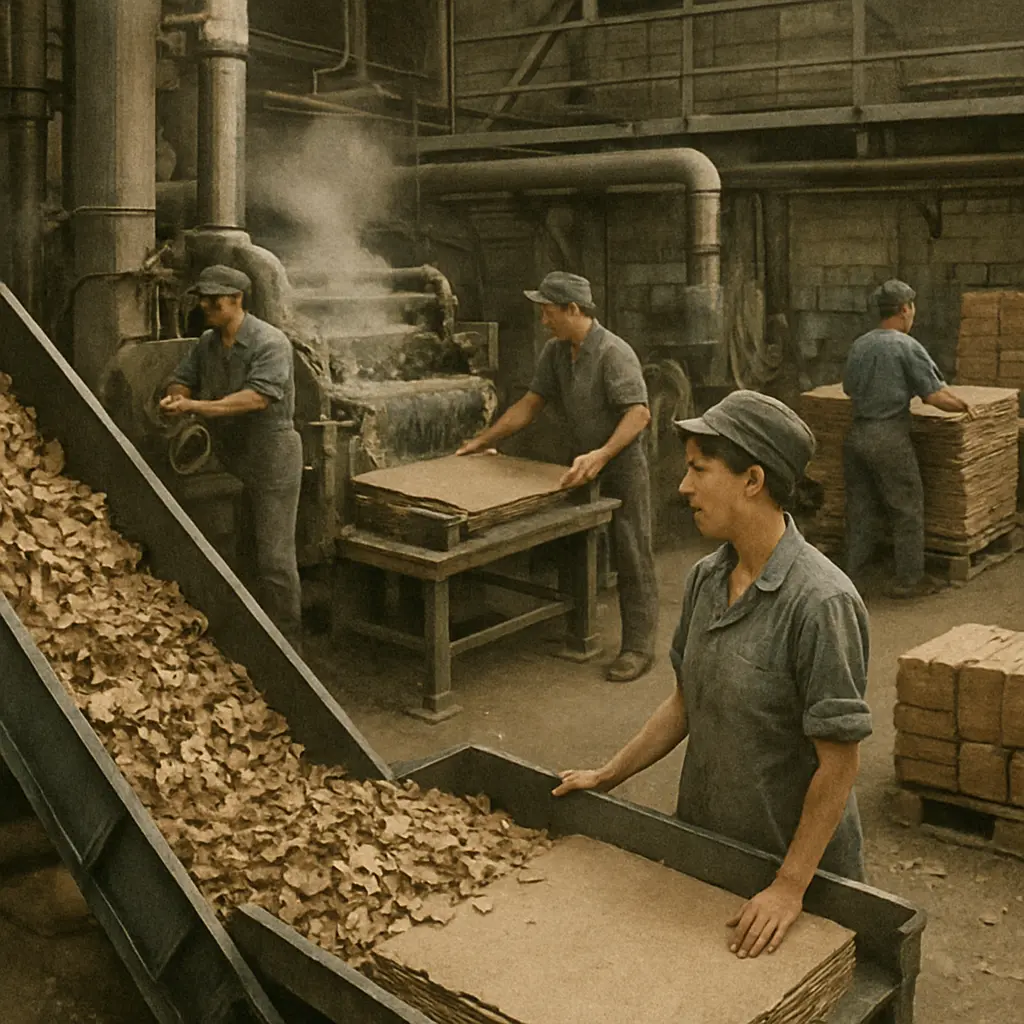
This practice supports environmental health and resource conservation, underscoring the importance of recycling.
Cardboard box recycling reduces demand for virgin materials, preserving trees and water, and diverts high-volume waste from landfill.
Producing recycled cardboard uses less energy and results in fewer emissions, contributing positively to climate goals and air quality.
Key environmental benefits include:
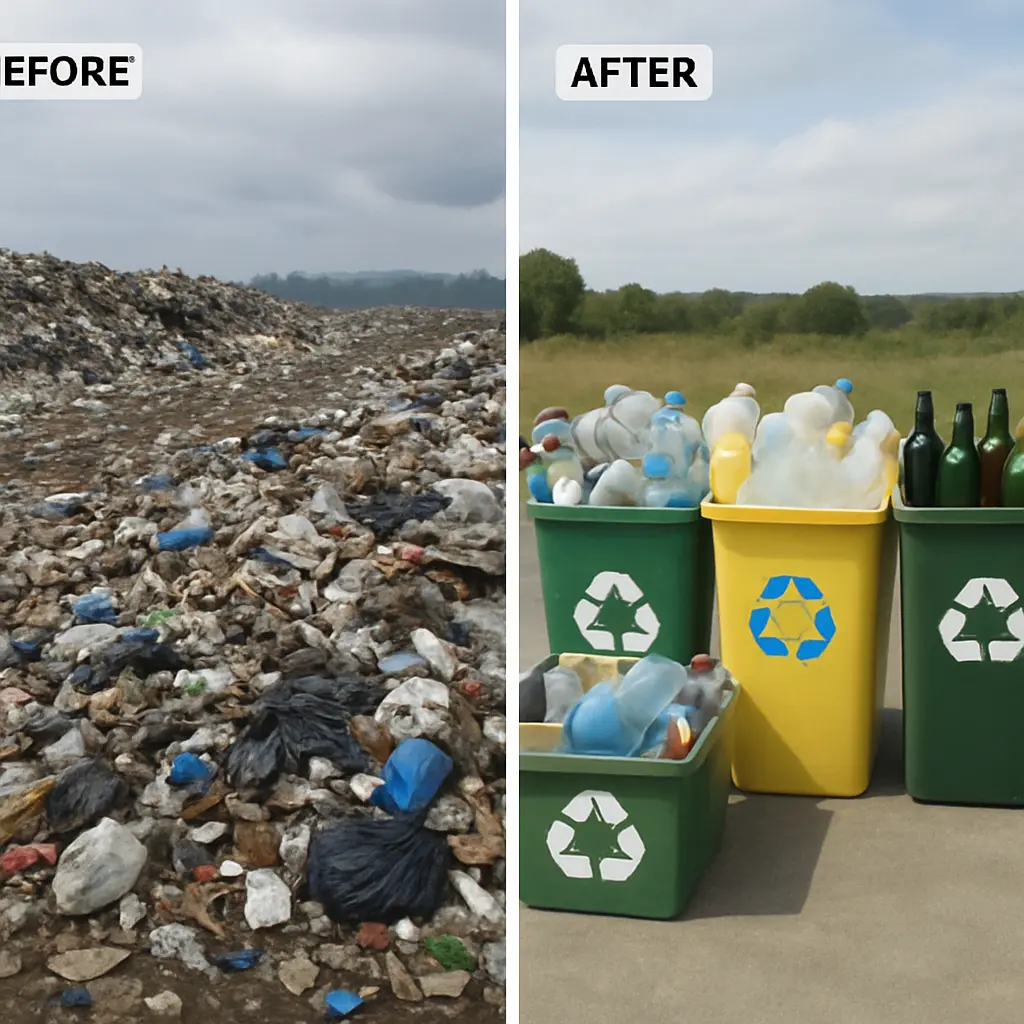
Recycling supports a circular economy where materials are reused rather than discarded.
Recycled cardboard often costs less than virgin alternatives, helping businesses reduce expenses while improving brand perception with sustainability-minded customers.
The recycling industry supports local jobs and economic growth, and lighter packaging can reduce shipping costs.
Advantages include:
Recycled cardboard is widely used in packaging and shipping as an eco-friendly protective material.
It’s also popular in crafts, education, and even lightweight furniture, and is a key input for new paper and carton products.
Common uses include:
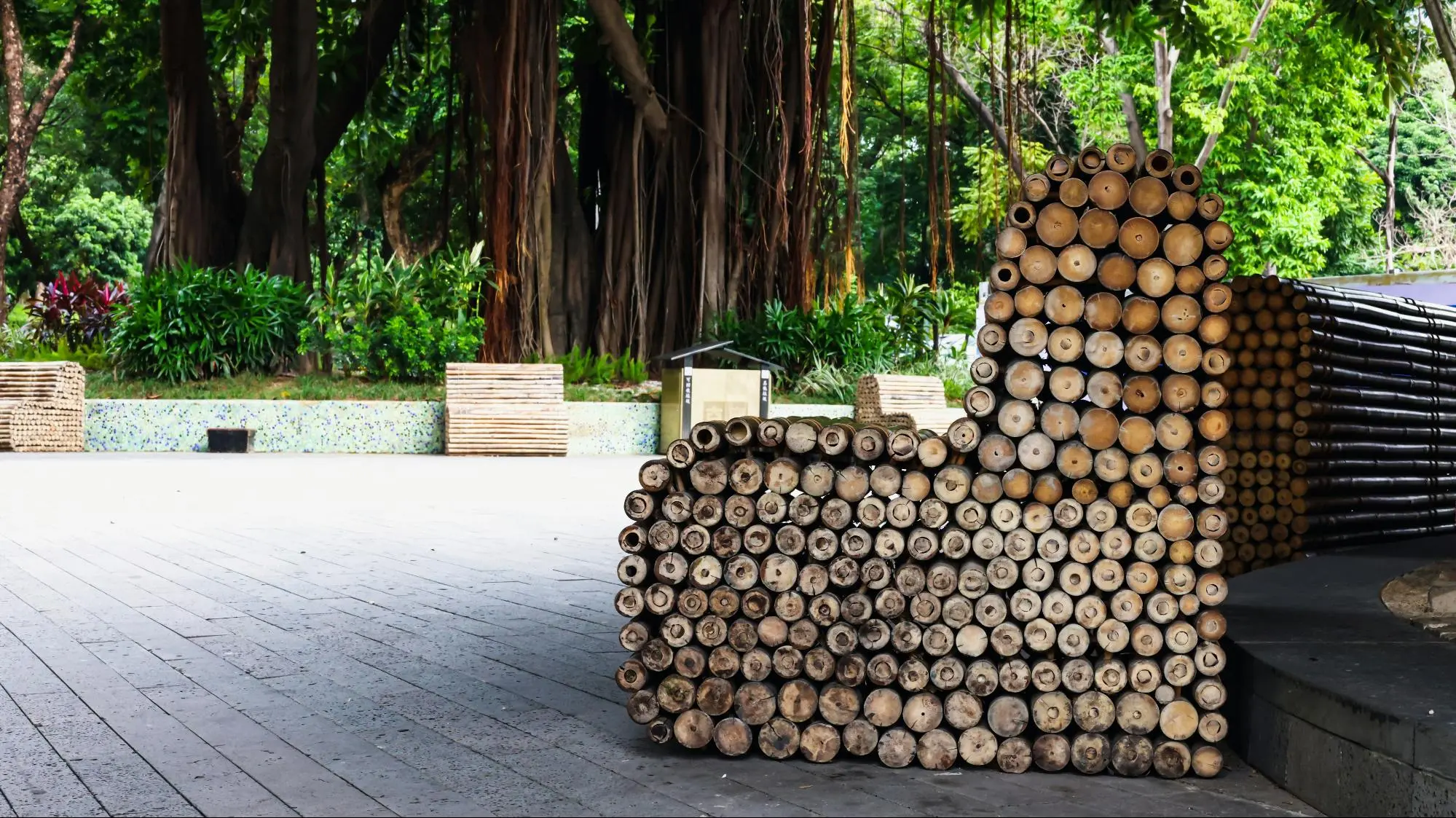
The adaptability of recycled cardboard makes it valuable across sectors, and its role continues to grow as new applications emerge.
The process begins with household and commercial collection and sorting.
At recycling centres, material is shredded and pulped with water, then cleaned to remove contaminants like tape and staples. The pulp is pressed and dried into sheets for new cardboard products.
In short:
Effective recycling reduces demand for new resources and supports environmental conservation.
Sort cardboard separately, keep it clean and dry, and flatten boxes to save space. Clear signage and simple instructions help teams participate.
Quick tips:
Small process improvements add up to better recycling results at home and at work.
Demand for sustainable packaging is driving innovations in design, coatings and manufacturing techniques that enhance performance and recyclability.
Potential advancements include:
As green initiatives accelerate, recycled cardboard will continue to play a central role.
Opting for recycled cardboard reduces landfill waste, conserves resources and supports economic sustainability. With informed choices, businesses and consumers can drive positive environmental change.